Truth to Power

In honor of the good Bishop’s prophetic plea at the National Cathedral, boldly embracing the call, the freedom, to speaking truth to power:

Miriam on the Shores
“All the women went out after her with tambourines and dancing.” –Exodus 15:20

Her skirt hangs heavy with seawater,
staccato breath after running from death.
She can still feel soldiers reaching out
to seize her blouse before the waves caved in.

Collapsing on dry earth for a moment,
the impulse to dance begins in her feet,
spreads slowly upwards like a flock of starlings
rising toward a dawn-lit sky.

So many dances in secret before,
night-stolen movements after exhausting days
heaving stones and harvest.
She finds herself now upright, weeping.

To stand here, face to the sun,
feeling an irrepressible desire to
spin
tumble
sashay
turn
shake
twirl

Savoring freedom with her limbs
as if it were a physical presence
like a fierce wind or the breath of labor,
shackles slipping off slowly.

She couldn’t help but dance.
The story says she picked up her tambourine,
which means she had packed it among the essentials.
In fleeing for her life, she knew this would be necessary.

How many of us still live enslaved in Egypt, beholden and weary?
Do you have the courage to run across the sea parted just now for you?
Will you carry your musical instrument and dance right there on the shores?

—Christine Valters Paintner

Love

By Alex Dimitrov

Love

I love you early in the morning and it’s difficult to love you.

I love the January sky and knowing it will change although unlike us.

I love watching people read.

I love photo booths.

I love midnight.

I love writing letters and this is my letter. To the world that never wrote to me.

I love snow and briefly.

I love the first minutes in a warm room after stepping out of the cold.

I love my twenties and want them back every day.

I love time.

I love people.

I love people and my time away from them the most.

I love the part of my desk that’s darkened by my elbows.

I love feeling nothing but relief during the chorus of a song.

I love space.

I love every planet.

I love the big unknowns but need to know who called or wrote, who’s coming—if they want the same things I do, if they want much less.

I love not loving Valentine’s Day.

I love how February is the shortest month.

I love that Barack Obama was president.

I love the quick, charged time between two people smoking a cigarette outside a bar.

I love everyone on Friday night.

I love New York City.

I love New York City a lot.

I love that day in childhood when I thought I was someone else.

I love wondering how animals perceive our daily failures.

I love the lines in Cat on a Hot Tin Roof when Brick’s father says “Life is important. There’s nothing else to hold onto.”

I love Brick.

I love that we can fail at love and continue to live.

I love writing this and not knowing what I’ll love next.

I love looking at paintings and being reminded I am alive.

I love Turner’s paintings and the sublime.

I love the coming of spring even in the most withholding March.

I love skipping anything casual—“hi, how are you, it’s been forever”—and getting straight to the center of pain. Or happiness.

I love opening a window in a room.

I love the feeling of possibility by the end of the first cup of coffee.

I love hearing anyone listen to Nina Simone.

I love Nina Simone.

I love how we can choose our own families.

I love when no one knows where I am but feel terrified to be forgotten.

I love Saturdays.

I love that despite our mistakes this will end.

I love how people get on planes to New York and California.

I love the hour after rain and the beginning of the cruelest month.

I love imagining Weldon Kees on a secret island.

I love the beach on a cloudy day.

I love never being disappointed by chocolate.

I love that morning when I was twenty and had just met someone very important (though I didn’t know it) and I walked down an almost empty State Street because it was still early and not at all late—and of course I could change everything (though I also didn’t know it)—I could find anyone, go anywhere, I wasn’t sorry for who I was.

I love the impulse to change.

I love seeing what we do with what we can’t change.

I love the moon’s independent indifference.

I love walking the same streets as Warhol.

I love what losing something does but I don’t love losing it.

I love how the past shifts when there’s more.

I love kissing.

I love hailing a cab and going home alone.

I love being surprised by May although it happens every year.

I love closing down anything—a bar, restaurant, party—and that time between late night and dawn when one lamp goes on wherever you are and you know. You know what you know even if it’s hard to know it.

I love being a poet.

I love all poets.

I love Jim Morrison for saying, “I’d like to do a song or a piece of music that’s just a pure expression of joy, like a celebration of existence, like the coming of spring or the sun rising, just pure unbounded joy. I don’t think we’ve really done that yet.”

I love everything I haven’t done.

I love looking at someone without need or panic.

I love the quiet of the trees in a new city.

I love how the sky is connected to a part of us that understands something big and knows nothing about it too.

I love the minutes before you’re about to see someone you love.

I love any film that delays resolution.

I love being in a cemetery because judgment can’t live there.

I love being on a highway in June or anytime at all.

I love magic.

I love the zodiac.

I love all of my past lives.

I love that hour of the party when everyone’s settled into their discomfort and someone tells you something really important—in passing—because it’s too painful any other way.

I love the last moments before sleep.

I love the promise of summer.

I love going to the theater and seeing who we are.

I love glamour—shamelessly—and all glamour. Which is not needed to live but shows people love life. What else is it there for? Why not ask for more?

I love red shoes.

I love black leather.

I love the grotesque ways in which people eat ice cream—on sidewalks, alone—however they need it, whenever they feel free enough.

I love being in the middle of a novel.

I love how mostly everyone in Jane Austen is looking for love.

I love July and its slowness.

I love the idea of liberation and think about it all the time.

I love imagining a world without money.

I love imagining a life with enough money to write when I want.

I love standing in front of the ocean.

I love that sooner or later we forget even “the important things.”

I love how people write in the sand, on buildings, on paper. Their own bodies. Fogged mirrors. Texts they’ll draft but never send.

I love silence.

I love owning a velvet cape and not knowing how to cook.

I love that instant when an arc of light passes through a room and I’m reminded that everything really is moving.

I love August and its sadness.

I love Sunday for that too.

I love jumping in a pool and how somewhere on the way up your body relaxes and accepts the shock of the water.

I love Paris for being Paris.

I love Godard’s films.

I love anyplace that makes room for loneliness.

I love how the Universe is 95% dark matter and energy and somewhere in the rest of it there is us.

I love bookstores and the autonomy when I’m in one.

I love that despite my distrust in politics I am able to vote.

I love wherever my friends are.

I love voting though know art and not power is what changes human character.

I love what seems to me the discerning indifference of cats.

I love the often uncomplicated joy of dogs.

I love Robert Lax for living alone.

I love the extra glass of wine happening somewhere, right now.

I love schools and teachers.

I love September and how we see it as a way to begin.

I love knowledge. Even the fatal kind. Even the one without “use value.”

I love getting dressed more than getting undressed.

I love mystery.

I love lighting candles.

I love religious spaces though I’m sometimes lost there.

I love the sun for worshipping no one.

I love the sun for showing up every day.

I love the felt order after a morning of errands.

I love walking toward nowhere in particular and the short-lived chance of finding something new.

I love people who smile only when moved to.

I love that a day on Venus lasts longer than a year.

I love Whitman for writing, “the fever of doubtful news, the fitful events; / These come to me days and nights and go from me again, / But they are not the Me myself.”

I love October when the veil between worlds is thinnest.

I love how at any moment I could forgive someone from the past.

I love the wind and how we never see it.

I love the performed sincerity in pornography and wonder if its embarrassing transparency is worth adopting in other parts of life.

I love how magnified emotions are at airports.

I love dreams. Conscious and unconscious. Lived and not yet.

I love anyone who risks their life for their ideal one.

I love Marsha P. Johnson and Sylvia Rivera.

I love how people make art even in times of impossible pain.

I love all animals.

I love ghosts.

I love that we continue to invent meaning.

I love the blue hours between three and five when Plath wrote Ariel.

I love that despite having one body there are many ways to live.

I love November because I was born there.

I love people who teach children that most holidays are a product of capitalism and have little to do with love—which would never celebrate massacre—which would never care about money or greed.

I love people who’ve quit their jobs to be artists.

I love you for reading this as opposed to anything else.

I love the nostalgia of the future.

I love that the tallest mountain in our solar system is safe and on Mars.

I love dancing.

I love being in love with the wrong people.

I love that on November 23, 1920, Virginia Woolf wrote, “We have bitten off a large piece of life—but why not? Did I not make out a philosophy some time ago which comes to this—that one must always be on the move?”

I love how athletes believe in the body and know it will fail them.

I love dessert for breakfast.

I love all of the dead.

I love gardens.

I love holding my breath under water.

I love whoever it is untying our shoes.

I love that December is summer in Australia.

I love statues in a downpour.

I love how no matter where on the island, at any hour, there’s at least one lit square at the top or bottom of a building in Manhattan.

I love diners.

I love that the stars can’t be touched.

I love getting in a car and turning the keys just to hear music.

I love ritual.

I love chance too.

I love people who have quietly survived being misunderstood yet remain kids.

And yes, I love that Marilyn Monroe requested Judy Garland’s “Over the Rainbow” to be played at her funeral. And her casket was lined in champagne satin. And Lee Strasberg ended his eulogy by saying, “I cannot say goodbye. Marilyn never liked goodbyes, but in the peculiar way she had of turning things around so that they faced reality, I will say au revoir.”

I love the different ways we have of saying the same thing.

I love anyone who cannot say goodbye.

Wolf Moon

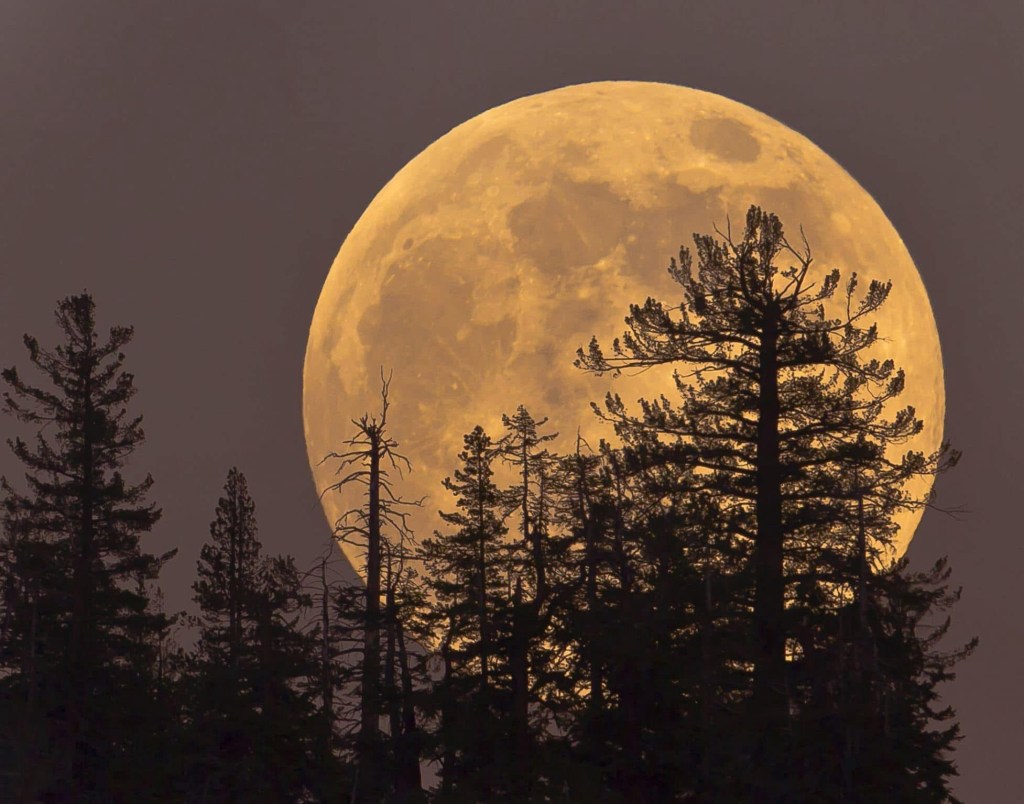
The ancient Celts called the first full moon of January the “Wolf Moon.” It was traditional to give a good howl at it, thanking it for its beauty as it kept the night watch.

A few nights ago was that night for 2025. And with all going on, it felt like it was keeping vigil with us all.

Ruler of Land Under Wave

In reading about my ancestors, the ancient Celts, I recently came across the god Manannan mac lir, the Irish god of the sea. They called him, “Ruler of the Land Under Wave” (which I think is a pretty bad-ass title).

For the Celts the sea they spoke of consisted mostly of the Irish Sea and the islands between Ireland and Britain.

It was thought that the Ruler of the Land Under Wave traveled over the water in his chariot called Ocean Sweeper, led by his favorite horse Enbarr (which roughly translates to “Waterfoam”).

Manannan held one of the ancient magical pieces of the world, a great shining cloak that could change color as the sea changed, making him largely invisible for those not paying attention.

On the Isle of Man the ancients would climb a mountain with a bundle of green rushes and pay tribute to him on Midsummer Eve, as they regarded the Ruler of the Land Under Wave as their great protector.

Even now some Irish and Scottish fisherman who hold on to the old ways say a blessing to Manannan before heading out to sea:

“Manannan mac lir (Son of the Sea),
who blessed our Island,
Bless us and our boat, going out well.
Coming in better, with living and dead (fish) in our boat.”

A statue to Manannan mac lir still stands in Gortmore, Magilligan, County Londonderry, Northern Ireland.

House of Light

As we break into July I’m reminded that the ancient Celts always felt that they had two homes: the “inside house,” and the “outside house.”

In the winter months the hearth became their sun, and the family gathered around it to live well.

But from May-November, they didn’t need the false sun of the hearth, and their world (literally) revolved around the burning star that provides us life and light. The “outside house” was all creation, every living thing not within four walls.

They called this “outside home” the “house of light.”

In July they would sit in the house of light, outside, to learn: how to grow, how to use the light offered you free of charge, how to rise early, and how to retire as the sun retired.

We’d do well in these days to find ways to imagine our lives being between two houses, I think…and being able to learn what is taught in July.

Midsummer

On the Summer Solstice the ancient Celts would give thanks for our star.

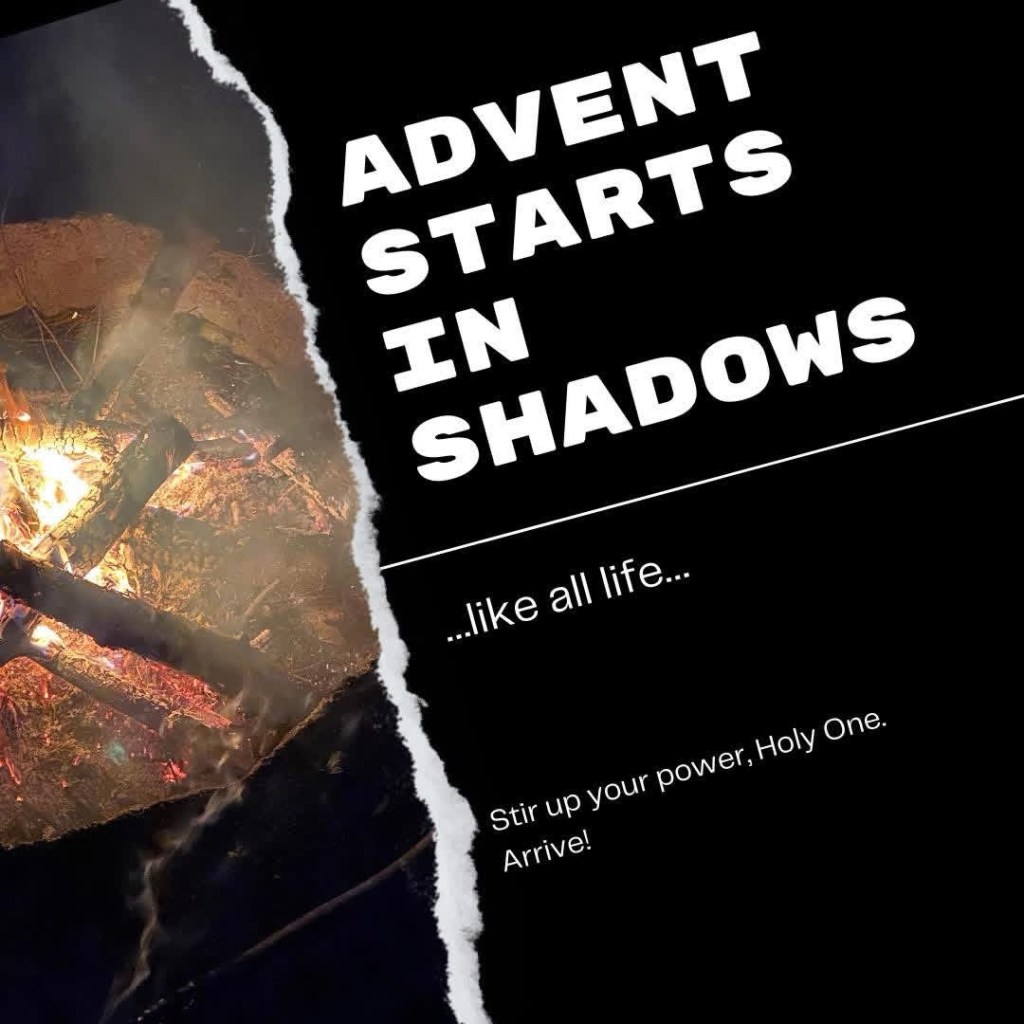
They’d build fires on the tops of the hills, believing these fires would further fuel the sun. They’d bring their babies close to the fire as a blessing, and they’d dance and sing and daring couples would hold hands and leap over the flame for good luck.

Midsummer was a day of indulgence with shared feasts and partying and plays and dramatic re-enactments of all kinds. As the sun indulged the Earth on this day, so the people took the minute here as summer was half gone (summer on the Celtic wheel is May-July) to bask in the House of Light, as they called the summer fields and hills.

Tonight is a very appropriate night to light a bonfire, enjoy some food outside, and give thanks for our star without which none of us could live.

The Mighty Oak

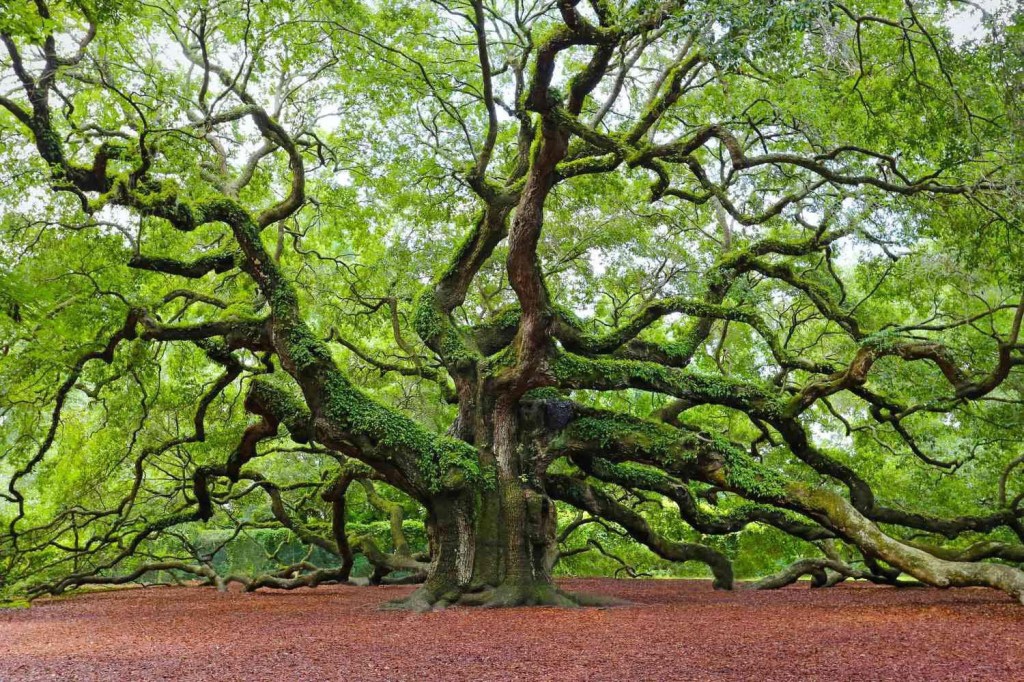
For the ancient Celts, June was the month where they honored the mighty oak tree. In June this towering tree reaches its zenith in beauty, and was a reminder for the Celts that doing two things at once in this life is necessary: we must plant deep roots while also reaching for the highest heights.

Their ancient priests, Druids, were colloquially known as “oak knowers,” believing that of all of the trees, the oak tree was the wisest. The Celtic word for oak was Duir (again, also where they got the word Druid), which meant “endure” and “truth.”

The oak tree, brightened by the Oak Moon, was both strong and enduring, like truth.

June is a month to deepen your roots and reach for those heights.

June Freshness

For the ancient Celts, June was a time of herb collecting. Used in medicine, dyes, cooking, cosmetics, and floor coverings (they would cover their floors with the herbs for a fragrant and hygienic carpeting), herbs were considered a healing gift.

At this time of year they’d incorporate herbs into most every dish, creating lilac teas and treating fish both steamed and pan fried with plenty of dill, parsley, and chives.

As they headed toward the Solstice and St.John the Baptist’s feast day, using all of the given daylight was paramount. Waste nothing, especially daylight, and do those things appropriate with the season.

For June this meant herb gathering, freshening things up, and preserving the harvest for cooking and healing in the year to come.

The Ploug

In May the Celts would turn their sights toward the land and the seeds to be buried in hope and prayer.

They’d pull out their ploughs and pray these instruments be sturdy to do the good work ahead of them, keeping their promise to help produce life-giving food for the land.

Here’s a modern Blessing of the Plough adapted from an ancient blessing (and also happens to be a nice one for those prepping for Holy Trinity Sunday):

Blessed be, God of all creation.
Give softness to the land.
Give us skill to work the land.
This plough is sign to us of Your blessing.
Give us softness of heart.
Give us skill to serve You.
Blessed be God–Creator, Christ, and Spirit,
Three of Glory, Three of Light, Three of Life.
Blessed be the Bright Three forever.
God speed the plough.

-prayer from Llewellyn’s The Celtic Wheel of the Year

-painting by Anne Savage, “The Plough”

On the Year

For the ancient Celtic Christians, May was the first month of summer. It may feel strange to think of the rhythm of the year in this way, mostly because we’ve been conditioned by society to see May as still part of “spring,” but for those Celts who paid attention to how things look and feel, rather than acquiescing to what others told them to feel, they knew that the change of May meant the beginning of summer.

Their wheel for the year was:

November-December-January: Winter (the cold would set in, ground would freeze, and things took a dormant nature…which is why in the middle of December you’d celebrate the undying light of Christ, reminding yourself that the sun/Son always shines)

February-March-April: Spring (things start to break through the ground, thaws happen, tulips push up and animals stir and mate…which is why Easter is the capstone to the season, the eternal “emergence”)

May-June-July: Summer (heat sets in, you start to do all things out-of-doors, you plant and tend, and the midpoint is the celebration of John the Baptizer/Summer Solstice where you remember that St. John the Baptizer said, “I must decrease so that Christ may increase”…and the sun starts setting a little earlier each day)

August-September-October: Autumn (you celebrate the waning heat, you harvest, you prep and store, and prepare for the winter, with the capstone of the season being All Hallow’s Eve where you give thanks for the harvest and the faithfully departed, knowing winter is coming where nature reminds us that all things die)

This cycle was the year life, but imbued into all of this was the sense of death and regeneration. It was an Easter life.

In our modern days where we’re so tossed back and forth between this event and that event, seeing so much of it all as isolated incidences that rock our boats, we forget the golden thread, the rhythm, or as the ancient Celts would call it, the “heartbeat of the Divine” running through it all.

If we tilt at every windmill, we never stand up straight. The ancient Celts understood this, and so they were able to weather most any storm knowing what season it was.

Now? Now is the start of summer. The season of “out-of-doors.” Take advantage, live into the newness around you, and breathe deeply into the now.

Because now it’s about living life.