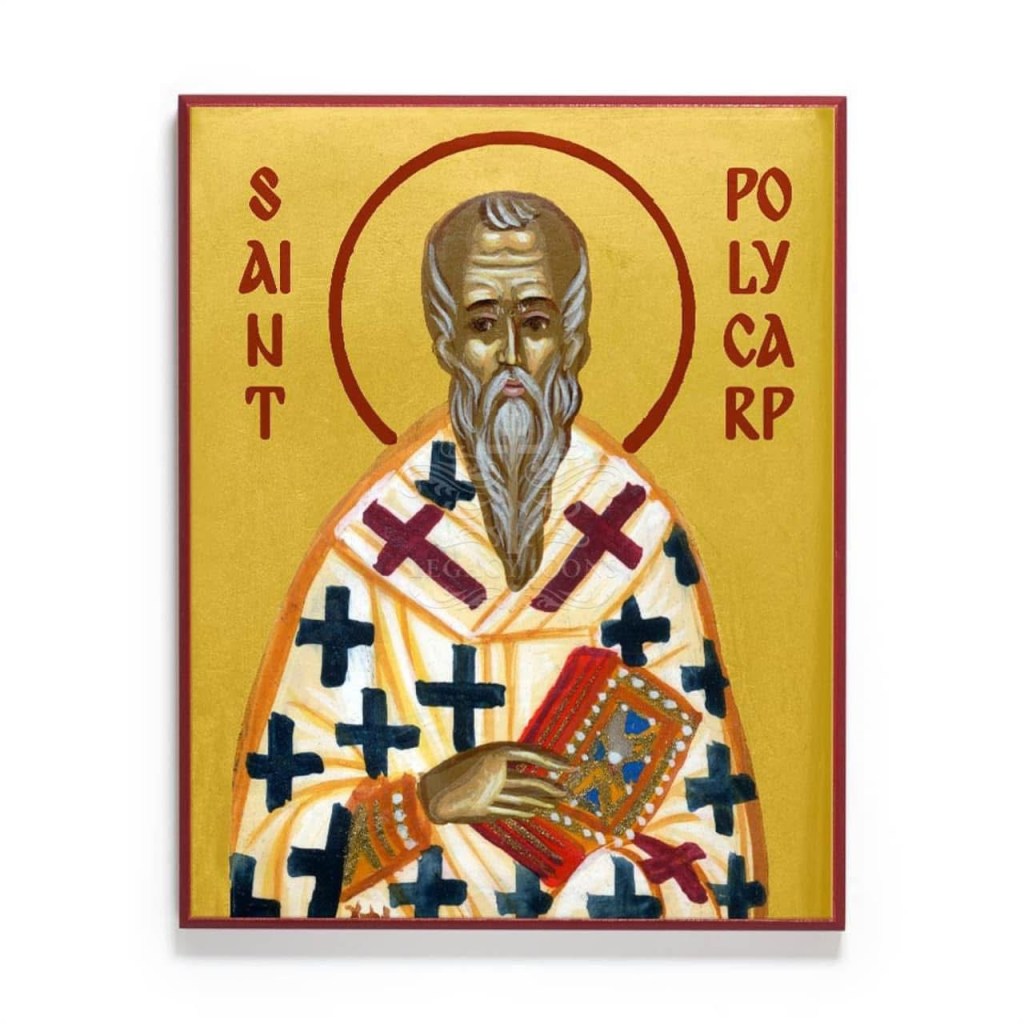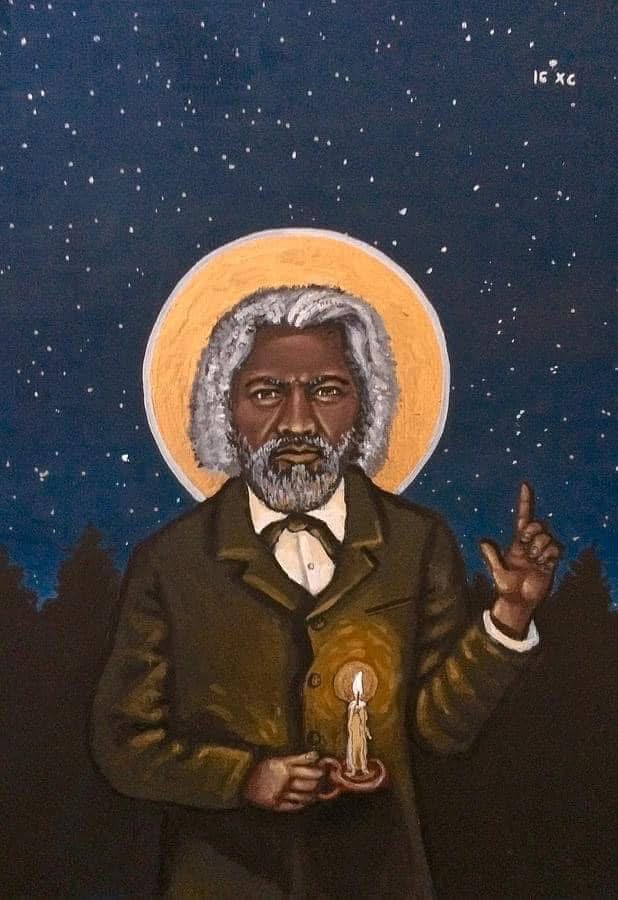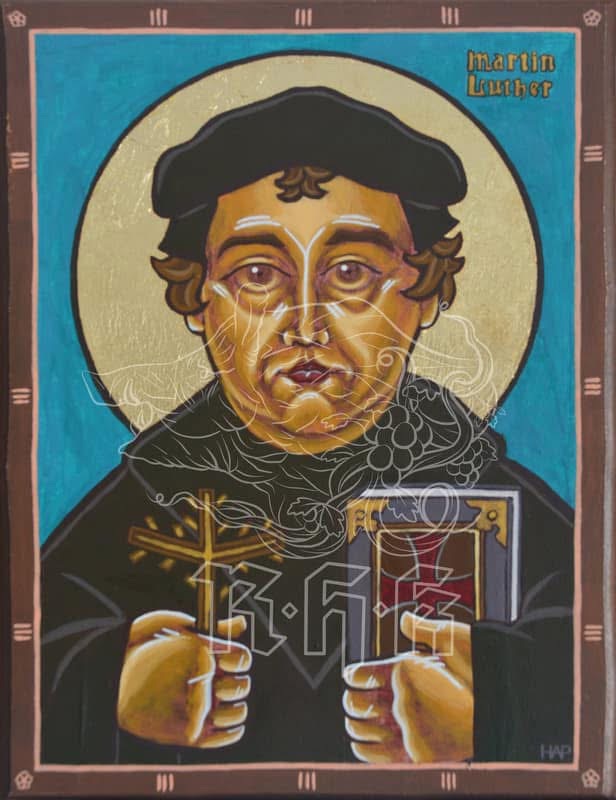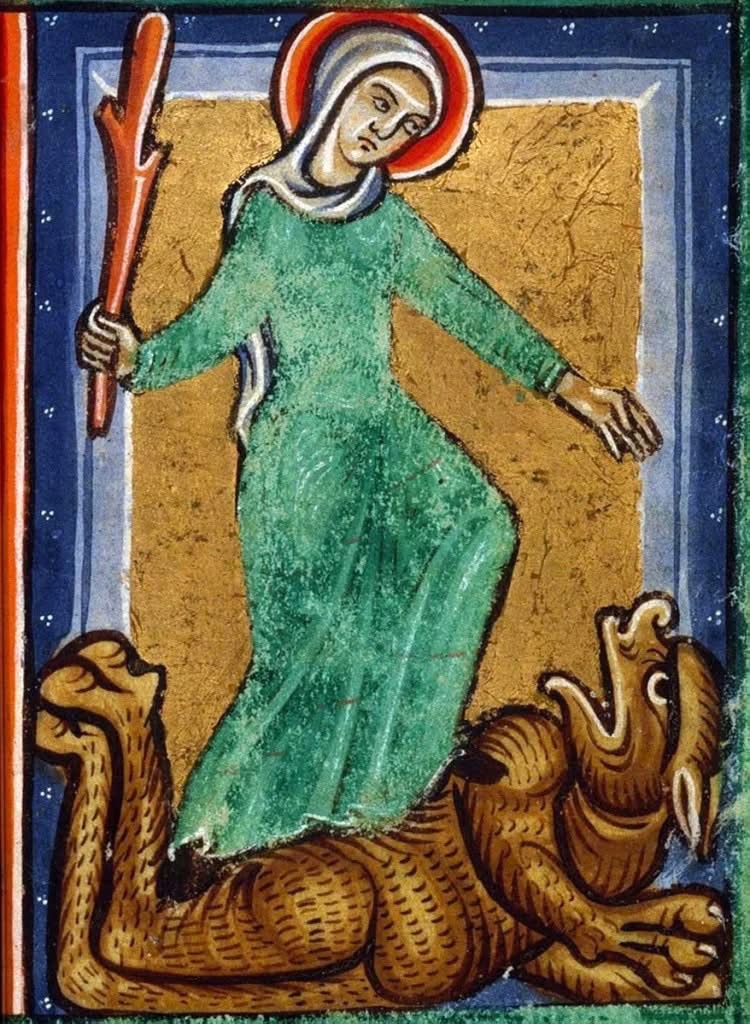
Today the church remembers the author of one of your favorite hymns and stalwart keeper of his word: Saint Thomas Ken, Bishop of Bath and Wells, Creator of Earworms.
Saint Thomas Ken was the son of barristers in 17th Century Britain. In these turbulent times factions between Protestants and Catholics loomed large over everything, including the crown. Saint Thomas was an Anglican priest and chaplain to King Charles II (namesake of the current King of England). Though he was the confessor of King Charles, he would not allow the king’s mistress to enter his home…and the king respected him for this. In thankfulness for both his service and with respect for his uncompromising word, King Charles II made Saint Thomas Ken the Bishop of Bath and Wells.
In 1684 King James II ascended to the throne as King Charles’s successor, and though King James II was a Roman Catholic, Saint Thomas Ken gave him his allegiance. This sworn allegiance, though, did not prevent Saint Thomas from speaking up when King James II attempted to undermine the authority of the Church of England, and this political stand had a political price.
Saint Thomas was thrown in the Tower of London for refusing to do as King James II decreed.
King James II was deposed only four years later shortly after Saint Thomas was acquitted, but though William of Orange took the throne, Saint Thomas had sworn his oath to King James II and felt he couldn’t betray that word (even though King James had thrown him in the stocks).
Saint Thomas Ken was removed from his bishopric and died on this day in 1711.
Despite the political and ecclesial turmoil of the time, Saint Thomas Ken was able to do some majestic penmanship behind his ecclesial desk. He is remembered and celebrated even today when the church sings the melodious morning hymn, “Awake, my soul, and with the sun” (ELW 557), and the contemplative, beautiful, and tear-inducing evening hymn, “All praise to thee, my God this night” (ELW 565).
It’s that last one that most probably know him for.
Saint Thomas Ken is a reminder for me, and should be for the whole church, that sometimes turbulent times can produce wonderful moments of beauty.
-historical bits gleaned from Pfatteicher’s New Book of Festivals & Commemorations
Today the church remembers a visionary 7th Century Celtic saint who vacillated between solitude and society: Saint Cuthbert, Bishop, Bird -Watcher, and Shepherd.
Saint Cuthbert was born in the year 625 somewhere in Northubmria (modernly you’d call that North England/Southern Scotland, right where the British accent gets super wonky). He was a shepherd in his first life, and according to the Venerable Bede had a vision while tending sheep that angels were ushering a soul into heaven. It just so happened that Saint Aiden had died that same night, and good Saint Cuthbert took that as a sign that he should replace the monastic roles now empty of that one memorable member.
Saint Cuthbert became a monk at Melrose soon after, and he was known as a kind and dedicated monastic. He eventually became abbot of that monastery just as the plague spread across Briton, and Saint Cuthbert took to the streets, making visits and cheering spirits at great personal risk.
In 664 he became prior of Lindisfarne (also called Holy Island) in North East England, but eventually felt the call to a solitary life and settled on a nearby island to live as a hermit for nine years.
In 684 he was once again called back into society as the Bishop of Northumbria, a seat he reluctantly took. Shortly after accepting the miter, though, he felt death coming toward him and withdrew back to his small hermitage to die in peace on this date in 687.
Fun fact: his bones were found a century later in 1827. His remains had been removed from Farne due to Viking raids and he was put to rest in Durham cathedral. An excavation that year uncovered his bones beneath the site of a medieval shrine dedicated to him.
Saint Cuthbert was not only known for his kindness to humans, but he was also known as an avid birder, being quite observant of the beasts of the air (and feeling a kinship with them). Even monks need a hobby, right?
Saint Cuthbert is a reminder for me, and should be for the whole church, that sometimes we’re called to be and do different things in this life. Cuthbert was a shepherd, then a monk, then a hermit, then a bishop, and then retreated back into solitude…all were holy callings.
Different things at different times: all holy. Kind of makes you rethink that whole “mid-life crisis” thing, right? Perhaps it’s less a crisis and just a new calling.
Let those with ears to hear, hear.
-historical bits from Pfatteicher’s New Book of Festivals & Commemorations
-icon written by the dear saints at Mull Monastery (www.mullmonastery.com). I found fascinating and engaging icons written here that will delight and inspire!
Today the church remembers a saint that everyone knows, but no one knows much about: St. Joseph, Step-Father of Jesus and Companion of St. Mary.
St. Joseph is only mentioned in three of the four Gospels (Mark doesn’t seem to know about him, or doesn’t think he’s important enough to mention), but because the Christmas tales are so popular in our age, St. Joseph is part of that other holy Trinity: Jesus, Joseph, and Mary.
Matthew and Luke don’t even really agree on the genealogy of Jesus, but both trace Joseph through that singing Psalmist David, making a direct connection between Jesus and the House of David. Matthew indicates that St. Joseph was originally a resident of Bethlehem who made his home in Nazareth (which is how he met Mary for Matthew), but Luke says that Joseph was a longtime resident of Nazareth, and only went to Bethlehem for the census.
St. Joseph, like Jesus in the Gospel of Mark, seems to be a person without a known home, which I kind of like, because it means that St. Joseph could be anyone…like you, or me, and entrusted with the Christ-child for the sake of the world.
Scriptures say that he was a carpenter (though the Greek word used is kind of obscure and could mean anything from “artisan” to “rock mason”…I like to think he was an artist). The Gospels portray him as a fair individual, and a devout follower of Judaism who sought wisdom and understanding.
Because the Gospel accounts don’t mention him again, it is thought that he had died by the time Jesus is crucified. This is entirely plausible as marriages in the ancient world were often unequal in age, and wives typically outlived their spouses (hence why “widows and orphans” is noted so often in the scriptures). That all being said, nothing in the scriptures notes he was older, so why do we assume he might be?
I’m glad you asked…
There’s a fun (and fake) 2nd Century Gospel attributed to James the Less, a disciple of Jesus, that makes that claim. And in the 5th Century we find a History of Joseph the Carpenter that claims he was 89 (!) when he was a widower, and married Mary when he was 91 (!). That’s a stretch for a number of reasons, not the least of which is that hardly anyone in the ancient world lived that long.
The first commemorations to St. Joseph are recorded in the 8th Century from Northern France that calls him the artful “Spouse of Mary.” I prefer to think of him as the “Step-Father of Jesus” not only because the Gospels functionally portray him that way, but also because it gives a holy nod to the blended families that bless this world.
St. Joseph is a reminder for me, and should be for the whole church, that everyone is called to be a step-father to the Divine Love Letter in this world.
We are all Josephs, no matter where we’re from.
-historical bits gleaned from Pfatteicher’s New Book of Festivals & Commemorations
Today the church remembers the church father who, in all likelihood, instituted the feast days of Palm Sunday and the observance of Holy Week: St. Cyril, Bishop of Jerusalem and First (unofficial) Sunday School Teacher of the Church.
St. Cyril was born in Jerusalem sometime around the early 4th Century. At a young age he was ordained a priest and, despite his youth, was entrusted with catechizing those preparing for baptism. This work was traditionally reserved only for the Bishop, but Cyril’s skill in teaching and relaying the doctrine of the church was impeccable.
The catechesis that St. Cyril created, known as the Catechetical Lectures are the clearest surviving notes that we have on the catechetical process of the early church for the Rite of Initiation which leads to the Rite of Holy Baptism (at least for adults…for children the process is reversed).
Cyril became Bishop of Jerusalem around the year 349, and remained in that holy seat until his death on this day in 386. Yet, during his bishopric he led in exile more than a few times, as that early church fought over doctrine and dogma (seems like a pattern, no?).
St. Cyril was Bishop over the Holy Land, the site of holy pilgrimage for many early Christians, especially around Easter. It is quite likely that St. Cyril, in all of his catechetical acumen, instituted the Feast of Palm Sunday and the events of Holy Week as a way to teach Christians about the Passion of the Christ. In many ways you can thank St. Cyril for what are, I believe, the best parts of Christian ritual.
St. Cyril is a reminder for me, and can be for the whole church, that rites and rituals are not “hoops we jump through,” but formative experiences that create a rhythm in our being that can be supremely meaningful in the right hands.
-historical bits from Pfatteicher’s New Book of Festivals & Commemorations
-icon written by Brother Simeon Davis of Monastery Icons
Today the church remembers the yang to St. Vincent de Paul’s yin: St. Louise de Marillac, Patron Saint of Social Workers and Friend of Those With Depression.
Born in France at the tail end of the 16th Century, Louise encountered many challenges in life. She was born out of wedlock to a mother she would never know and a father who died when she was twelve. Despite the early hardships, she had received an exemplary education, and her uncle was part of the Queen’s Court, which gave her allies in high places…that is until the civil unrest of the time forced his untimely demise.
When her father died, St. Louise went to live with a kindly spinster in town who taught her herbal medicine (Louise was perpetually sick), and from a young age she felt the call to cloistered life.
Unfortunately, cloistered life did not feel the same about her. She was denied entry as a Capuchin, and had to pivot to a plan B for her life. Her family encouraged her to get married, and she stumbled upon Antoine, an ambitious young man whom she would, in time, grow to sort of love.
From their union one child was born, Michel, whom she loved dearly.
But in these days St. Louise still felt much inner turmoil. She had wanted to follow a life of devotion to God, and yet here she was with a husband and child. She felt like she had abandoned her call in life which, along with the failing health of her husband, led her into a deep depression.
Yet, like so many in life, she lived with the depression, tending her ailing husband and doting on her son. I think we would all be surprised to know the number of functioning people living with depression, doing what they must for those they love, even as their insides feel empty…
One day in prayer, St. Louise felt an overwhelming sense of calm. She realized that she must stay with her husband, though she felt a strong call to the cloister still, and should she outlive him, she would refuse to marry and then accept her vows. In this same clarity of purpose, she also said she felt a Divine assurance that a new spiritual director would enter her life.
Soon after she met St. Vincent de Paul, and that, as they say, is that.
Despite her excellent care, Antoine died in 1625. As a widow with a son and without income, she moved into a more modest home, and lobbied for St. Vincent to become her confessor. He eventually agreed, though he was already very busy giving his life away to the sick and infirm in France.
Over the next few years, under St. Vincent’s spiritual care, St. Louise came to see her life attain more balance. She joined St. Vincent in his care for the needy and sick in France, and found both joy and success in the work. At the age of forty-two she went on retreat and received a new vision for her life: she must lean into her vows and start the Daughters of Charity.
Part of the vision was a realization that social class and stigma prevented the upper class from aiding the lower class. Yeah, sure, they sent meals and provided some minor medical care, but the tension between the classes remained and made everyone hesitant to give, and to receive, care.
Plus, St. Louise realized the aristocracy didn’t like the work of caring for the needy…and they were kind of lousy at it, honestly.
So, St. Louise set up a system of care that leaned upon the aristocracy to raise funds, but left the practical hands-on work to a group of sisters who not only identified with those they were caring for, but were trusted by them, too. These women who would come to care for the sick and infirm were usually from rural areas of France, and their unique upbringing made them supremely capable of the task in a way that elite city-dwellers were not.
St. Louise organized these women into formational homes, teaching them practical care and spirituality. Being savvy with governmental regulations, St. Louise began organizing her work to have centralized places of care throughout the city where the medical and social needs of the poor could be handled. She enlisted the help of doctors, nurses, and politicians to have sites set up in hotels, hospitals, prisons, the battle field, and eventually orphanages and mental institutions.
In concert with those doctors and nurses, she created nimble teams of care-givers to provide comprehensive services to those in need.
She, in effect, created a modern-day social worker network.
At the age of 68, St. Louise breathed her last, having set up over 40 places of care throughout France.
St. Louise is a reminder for me, and should be for the whole church, that sometimes being in touch with the difficulties in your own life make you supremely qualified to walk with others through their own difficulties. And yet, it is often those people the church…like St. Louise…rejects at first.
Today, in the middle of Women’s History Month here in the States, I would lobby hard that the church remember a modern day saint who was the first woman to ever appear on United States currency: Saint Susan B. Anthony, Abolitionist, Suffragist and Sufferer of No Fools.
Saint Susan was born in 1820 to working-class Quaker parents in Massachusetts. The Quaker ethos would forever be a golden thread running through Susan’s life as she spent years teaching children, and then eventually met up with two other saints, William Lloyd Garrison and Frederick Douglass, both who were friends with her father.
This meeting forever moved her heart, and she decided to throw her voice behind the abolitionist movement despite the headwinds of patriarchy that told her that women should not speak in public spaces.
In 1851 Susan met Elizabeth Cady Stanton and a new adventure began in earnest: the fight for suffragist movement. For over fifty years Susan spoke and advocated and marched for the right for women to vote. She was mocked for it. She was denegrated for it. She was even threatened with arrest at times.
And still she persisted.
Saint Susan, like all saints, was not without her flaws. Through the backward lens of history (as Kierkegaard said, “Life is understood backwards but lived forwards…”) we can see that her opposition to the 14th and 15th Amendments that gave African American men the right to vote was short sighted. Part of their critque was the absence of women from the bill. Part of it was probably due to the ugly factor of deep-seeded prejudice that is wiley and pervasive.
In 1872 Saint Susan was arrested for voting and charged $100. This act of civil disobedience only emboldened her cause, and suffragist movements popped up all over the country, merging together into large forces, marches, and vocal activists that could not be ignored. The National American Women’s Suffragist Association was born as a merger of two of these organized entities, and Saint Susan led them until 1900.
She died on this day in 1906, never fully realizing the goal of her cause…the 19th Amendment would not be ratified until 1920…and yet, it persisted.
Saint Susan B. Anthony is a reminder for me, and should be for the whole church, that sometimes we don’t see the fruit of our labors for justice and equality.
And yet, we must persist.
-historical bits from public sources
-minimalist design by thefilmartist available for purchase at redbubble.com
Today we remember a legendary (literally) character in Americana: Johnny Appleseed, Evangelist and Erstwhile Ecologist.
Born John Chapman in the late 18th Century, Johnny’s mother died at a young age leaving him and his infant sister in the care of their father, a Minuteman who fought at the Battle of Bunker Hill.
At the turn of the 19th Century a young adult Johnny shows up in Pennsylvania, tossing around apple and pear seeds like they’re confetti at a ticker-tape parade, espousing the philosophical and religious teachings of a certain Emanuel Swedenborg, a Swedish spiritual teacher.
Yeah. All you forgot about that, didn’t you?
Because he carried around these seeds and threw them everywhere, wanting to “provide shade for all travelers,” Chapman became known as Johnny Appleseed. But chiefly he was a religious fanatic (not in a bad way, just was), preaching the Swedeborgian philosophical beliefs as he went along. With a pack of apple seeds you also got a free religious pamphlet, as if to say, “Please, throw this away for me.”
As unusual as his journey was, his dress was just as odd for the times. Like a mirror of John the Baptizer, Johnny traveled barefoot with a broad-rimmed hat, to keep the sun out of his eyes. He traveled largely by horseback or canoe, and lived off of the extreme kindness of strangers who found a place for the young evangelist at their supper tables.
Though Johnny’s birthday falls in September (and some heretics honor him in that month), the sane Americana-lovers like myself prefer this March date because now is the time of planting.
Do yourself a favor and check out Swedeborgian churches. There are some still in the United States, though it’s a quickly-shrinking religion.
One final note, and this is worth remembering: though Johnny Appleseed dressed funny and espoused an unusual religious creed, most every legend or personal account of him notes his pure kindness.
Honestly: despite all our quirks, if we’re remembered just for that…that’s a pretty good life.
“Oh, the Lord is good to me, and so I thank the Lord, for giving me the things I need: the sun, and the rain, and the apple seed. The Lord is good to me. Amen!”
Today, March 2nd, the church remembers brothers John and Charles Wesley, renewers of the church.
John was the 15th child of Susanna and Samuel Wesley, and Charles was the 18th, born in England. Both were ordained as Anglican priests in the early 18th Century, in the midst of a serious decline in the Church of England, both in influence and conversion.
John and Charles grew dissatisfied with the religious life they were instructed in, and Charles started the “Holy Society” at Oxford comprised of those intent on finding a deeper and more meaningful way of spiritual living. They focused on frequent communion, prayer, spiritual practices like fasting, and service to the poor and disenfranchised.
This methodological way of doing things led others to disparagingly call them “methodists.”
The name stuck.
Charles and John were sent to evangelize in Georgia in the 1730’s, primarily to the colonists and the Indigenous Peoples. Their insistence on denouncing both slavery and gin, however, didn’t sit well with the colonists.
Both joined the Moravian church in prayer (though not in an official capacity), having experienced an inner conversion. This sparked the 18th Century Evangelical revival, and the brothers eventually began their own order of Christianity, a “Methodist” way of being in the world.
Charles became an accomplished hymn writer; John an antagonistic writer and theologian, not unlike Martin Luther before him, pushing the church onward. Both were often met with hostility and derision for their thinking and work, which bucked the status quo of the church of the day.
They are a reminder to the church that what at first might seem unorthodox and detrimental may, at length, be just what the church needs for revitalization, renewal and, yes, reform.
-historical notes gleaned from Pfatteicher’s New Book of Festivals & Commemorations
On this Leap Day, on which no official saint is commemorated, I would (jokingly) lobby with indefatigable yet imaginary fortitude that the church remember a beloved saint: Saint Elmo of the Fire, Muppet and Delighter of Children.
Saint Elmo of the Fire has been known to dance and jiggle to the delight of many, usually brought on by tickle matches and the shocking current of more batteries than should be necessary for a muppet of their size.
More than curious, Saint Elmo of the Fire has been known to ask the right question at the right time for a humanity that, while valuing answers more than questions, really wants someone (or some muppet) to care, you know?! Saint Elmo of the Fire cares.
With high voice and red fuzz, Saint Elmo of the Fire has engaged screen watchers and toy buyers for over 43 years with joyful jaunts through imagination and inspiring messaging. More cautious than Grover and yet as loving as Big Bird, Saint Elmo of the Fires bridges the muppet opinion divide by bringing all sides together in a furry-crimson embrace that all souls need but so few acknowledge.
Saint Elmo’s of the Fire is also a weather phenomenon of plasmic proportions. And an endearing 80’s movie that has a seriously underrated soundtrack.
Saint Elmo’s of the Fire is a reminder for me, and should be for the whole church, that though we pine for answers, sometimes all we truly want is to have someone curious about our lives…even if that someone is fuzzy and has no discernible feet.
As morning dawns on February 27th, I would lobby hard that the church remember a modern saint who saw everyone as his neighbor, and therefore loved his neighbor as himself (and even more-so) without even trying, while teaching others to do the same: Saint Fred McFeely Rogers, Friend of Humanity and Muse of Young Ones.
Fred McFeely (yes, you read that correctly) Rogers was born in 1928 just as the American landscape was about to take a turn for the worst. Born in Latrobe, PA, Saint Fred was a shy child, spending much of his spare time with puppets he made or who were given to him. He was tormented and bullied at school because of his quiet way, and was called “Fat Freddy” by classmates because he was overweight.
These early experiences no doubt sent him on a spiritual quest for true friendship.
He overcame his shyness in High School through trial and error, finding out what true friendship looked like, and eventually gained a University degree in music. On one of his summers home from college he encountered a new box in his parent’s house: a television. He was intrigued and disgusted.
Saint Fred was not in love with television at first, but saw that it had potential to shape the people who tuned in. He went to work for NBC, and then his local Pittsburgh affiliate, trying his hand at children’s shows and production. While doing all of this he also answered a call from the church and graduated from Pittsburgh Theological Seminary. But rather than finding his parish within sacred halls sitting in pews, he cultivated his parish within living rooms across vast distances who sat on couches, floors, or on their knees with their small hands pressed against the screen.
Freddy had found the friends his childhood self desired, but never could make.
Saint Fred had a number of different children’s programs in different markets through the early ’60’s. He worked with child psychologists to understand best how children not only developed, but also how they learned best. He was tireless in trying to make the medium a good for children.
In 1968 Mr. Roger’s Neighborhood began airing nationally on what would become PBS. Over almost 900 episodes children learned how to make and keep friends, sing songs together, use their imaginations, and be curious. When the last episode aired in 2001, Saint Fred had not only left his mark on the television industry, he had left his mark on so many of our hearts, me included.
Fun fact: he taught me what house shoes are…always being sure to change into them when he came in the door.
Alongside his care for children and their education, Saint Fred was a tireless advocate within the halls of power for educational opportunities and children’s rights. He spoke before congress, used politics for the betterment of humans, and gave scores of commencement speeches to eager young minds wanting to change the world like he did.
As if all of the above didn’t keep him busy enough, he also married and had two sons, appropriately named James and John. He kept his license as a Presbyterian minister his many years, and reportedly had a deep spiritual life that also studied mysticism, Buddhism, and many other faiths. He never spoke about religion overtly on the air, but believed his example said volumes about his core convictions.
He was eloquent and honest and earnest. But I think his deep secret to changing the world had very little to do with what he said and most to do with who he was: he was a very good friend.
And that made all the difference.
He died on this day in 2003.
Saint Fred McFeely Rogers is a reminder for me, and should be for the whole church, that sometimes evangelism isn’t done by saying anything about your faith, but rather by simply living it and being a darn good friend in the process.
Let those with ears to hear, hear.
-historical bits from public sources
-icon written by Kelly Latimore (and is available for purchase from him!)