As we break into July I’m reminded that the ancient Celts always felt that they had two homes: the “inside house,” and the “outside house.”
In the winter months the hearth became their sun, and the family gathered around it to live well.
But from May-November, they didn’t need the false sun of the hearth, and their world (literally) revolved around the burning star that provides us life and light. The “outside house” was all creation, every living thing not within four walls.
They called this “outside home” the “house of light.”
In July they would sit in the house of light, outside, to learn: how to grow, how to use the light offered you free of charge, how to rise early, and how to retire as the sun retired.
We’d do well in these days to find ways to imagine our lives being between two houses, I think…and being able to learn what is taught in July.
On the Summer Solstice the ancient Celts would give thanks for our star.
They’d build fires on the tops of the hills, believing these fires would further fuel the sun. They’d bring their babies close to the fire as a blessing, and they’d dance and sing and daring couples would hold hands and leap over the flame for good luck.
Midsummer was a day of indulgence with shared feasts and partying and plays and dramatic re-enactments of all kinds. As the sun indulged the Earth on this day, so the people took the minute here as summer was half gone (summer on the Celtic wheel is May-July) to bask in the House of Light, as they called the summer fields and hills.
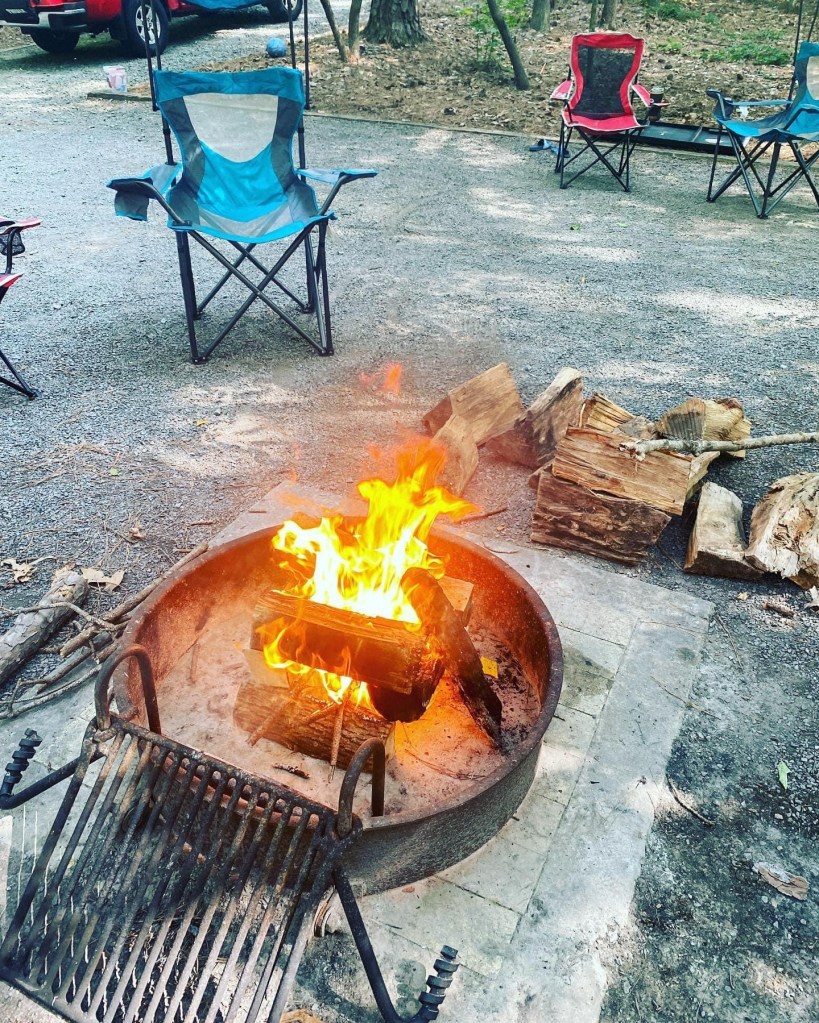
Tonight is a very appropriate night to light a bonfire, enjoy some food outside, and give thanks for our star without which none of us could live.
Today is World Oceans Day, a day to honor the great incubator of life, the first amniotic fluid of creation: The Seas.
The ancient Celts held the sea in high reverence. Like anything worth powerful, the sea provided for the people and was also dangerous. It was a road to distant lands as well as a graveyard, a reminder that the wilds of creation are to be respected and not taken for granted.
With our modern minds we may imagine that the seas of this world are ours for dominating and using as we please, but with every strengthening hurricane and with every new exploration into the deepest parts of our oceans we are reminded that the oceans still have a temper and a hold a temptation for adventure.
Let us not abuse it nor forget it.
I’ve stood at the base of huge mountains, and I’ve flown over quite a bit of amazing land, and yet it is still the ocean’s siren song that enlivens the most awe in me.
Green and brackish, blue and calm, full of terrors and wonders and teeming with living things yet undiscovered, the oceans of our round rocket ship spinning in this universe are a reminder for me that, even though we may flex our mortal muscles, stronger forces exist and must be honored and respected.
If you’re one who endears themselves to such rituals, the ancients used to thank the Mer-people on in these mid-summer months. Mer-folk were known to protect as well as correct humans in their courses and, while I certainly don’t believe in such a thing, I understand how the ancients would.
After-all, with so many mysteries beneath the waves, why wouldn’t someone imagine that there might be a whole undiscovered universe of inhabitants who gazed up at the blue sky like we gaze at the briny blue depths, a reflection of what we know…just a little different, you know?
Regardless of what you believe, I hope we can all agree on one thing: the mother of all life, the Oceans, the Seas, deserves not only our thanks and awe, but also our protection.
For the ancient Celts, June was the month where they honored the mighty oak tree. In June this towering tree reaches its zenith in beauty, and was a reminder for the Celts that doing two things at once in this life is necessary: we must plant deep roots while also reaching for the highest heights.
Their ancient priests, Druids, were colloquially known as “oak knowers,” believing that of all of the trees, the oak tree was the wisest. The Celtic word for oak was Duir (again, also where they got the word Druid), which meant “endure” and “truth.”
The oak tree, brightened by the Oak Moon, was both strong and enduring, like truth.
June is a month to deepen your roots and reach for those heights.
For the ancient Celts, June was a time of herb collecting. Used in medicine, dyes, cooking, cosmetics, and floor coverings (they would cover their floors with the herbs for a fragrant and hygienic carpeting), herbs were considered a healing gift.
At this time of year they’d incorporate herbs into most every dish, creating lilac teas and treating fish both steamed and pan fried with plenty of dill, parsley, and chives.
As they headed toward the Solstice and St.John the Baptist’s feast day, using all of the given daylight was paramount. Waste nothing, especially daylight, and do those things appropriate with the season.
For June this meant herb gathering, freshening things up, and preserving the harvest for cooking and healing in the year to come.
The Celts would, in mid-May, honor the warrior queen Maeve of Connacht. She was often depicted dressed in red with a pet bird perched on one shoulder, and a pet squirrel on the other.
She was known for having three criteria in the men she would consider for marriage: they couldn’t be stingy, they couldn’t be jealous, and they couldn’t have any fear.
She was half lore and half reality, like all interesting people, and her name came from the pre-Christian Celtic goddess, Sovereignty, who was said to be the one who would approve a royal’s right to rule. Should a royal be overthrown, it was because Sovereignty had deemed them unworthy (stingy, jealous, or afraid).
Today the ancient Celts would celebrate the festival of Beltaine, welcoming May as a month where the increasingly hot sun (the “tene” part of the word above) would warm the greenery enough to produce harvest. The “bel” portion of the word is a mystery, as it could stand for an ancient Celtic sun-god, Belanos, or could just be a form of the ancient word for “brilliant”
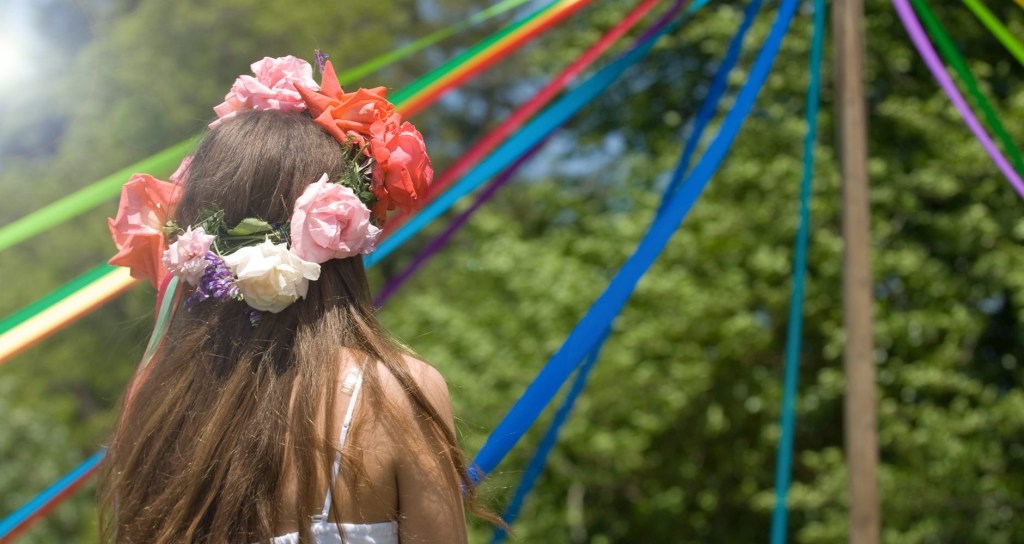
At dusk, having let their own hearth fires die out (which they only let happen once a year), the whole clan would ascend a nearby hill to get as close to the setting sun as possible. They’d set up huge poles and dance around them with flowers in their hair. They’d drink, and feast, and sing. They’d create flower garlands to adorn their doors or trees near their houses.
They’d create huge fires which they believed would help warm the sun, and they’d jump over the fires as a way of emboldening themselves for summer work, and if you were planning to be married soon, you’d do it three times for good measure. The elderly would circle the flames reciting prayers, and mothers would carry newly born infants near the coals as a way to ensure they’d be protected in childhood.
Fire, for them, purified the air of disease, and they believed that a bit of the hair from the same dog could be the cure, as they hoped setting these fires now would protect the unborn harvest from lightening strikes or other natural fires in the hot days.
As the fires smoldered each family would take a coal home to start their new hearth fire, and the rest was scattered throughout the crops for good luck.
If you stayed up all night on May-day, those who observed the sun rise would swear it danced for joy three times upon the horizon before jumping up in summer glory.
For Spring, some Celtic wisdom on stewardship from a medieval Irish tale:
“A very old man went out one day on the land beside his house, and began planting fruit trees.
A young man walked by. “What are you doing?” the young man asked.
“Planting fruit trees,” the old man replied.
“But you will not see fruit in your lifetime,” the youth said.
“The fruit that I have enjoyed in my lifetime,” the old man answered, “has been from trees that people before me have planted. So to express my gratitude of them, I am planting trees to give fruit to those who come after me.”
For the Christian Celts, the Monday (and sometimes Tuesday and Wednesday) of Holy Week was dedicated to cleaning the house and the home (with Holy Thursday dedicated for cleaning the chapel).
After months of inside smoke from the hearth dusting everything with soot, and with the spots above and around the well-used candles getting dingy and oily, Spring cleaning served both practical and spiritual purposes. Spring was a time of renewal, and so it made sense to renew the home from the dinge of winter.
But, as importantly, Spring cleaning mirrored the inward housecleaning of the Lenten days. With Easter almost upon them. the last few corners of the soul were tended, swept, and exposed to the light for purification.






 Reluctant Xtian