On Art and Religion

Today the church remembers a slew of 16th Century artists: Durer, Cranach the Elder, Grunewald, and Michelangelo. Though one could go in-depth on all of them, I’m going to focus this year on the one who is (probably) least well-known, and yet so influential: St. Matthias Grunewald, Artist and Secret Reformer.

We don’t know much about St. Grunewald. His name is even a fabrication, thought up by a 17th Century biographer for the enigmatic artist. His original surname was Gothardt, and he often added his spouses surname (Neithardt) to his signatures.

He spent most of his life in the upper Rhine area, and most of his professional career was under the patronage of the Bishop of Mainz and then Albrecht of Brandenburg. His artistic bent was (like most of his contemporaries) religious in nature, and he found the crucifixion and the resurrection as particularly curious events for visual exploration.

Though he was under the patronage of Rome, Grunewald was a professed admirer and supporter of the Reformation movement sweeping through the world of his day.

Many may not be familiar with his name today, but his works are worth checking out. I find them grotesquely fascinating; not as playful as Cranach’s and not as Gothic as Durer, but more mystical (perhaps) like an older Dali.

You might also want to check out the Grunewald Guild in Washington State, a community dedicated to careful artistic exploration. A number of colleagues spent time there in college and/or seminary, stretching their artistic muscles (or forming them from scratch): https://grunewaldguild.com/about-the-guild/

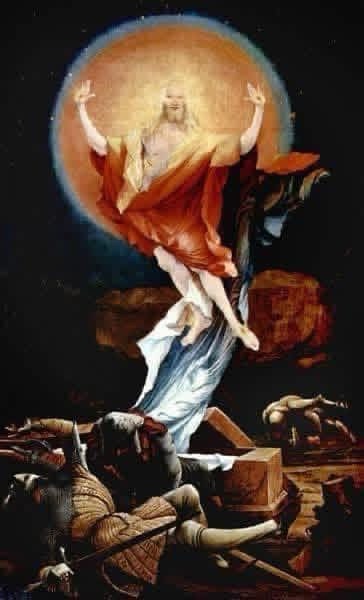
Finally, because finding a painting or an icon of St. Grunewald has proven unsuccessful, below is his depiction of the Resurrection. I thought it appropriate as we head toward Easter.

St. Grunewald is a reminder for me, and should be for the whole church, that art has always held hands with religion. The church was one of the first incubators for stunning creativity…and could be today, by God, if they keep dogma from squashing invention.

-historical bits from Pfatteicher’s New Book of Festivals & Commemorations

-opinions mine
On Holy Saturday

A thought for Holy Saturday:

The night before Easter, after a day of stone-cold silence from God, the people will gather together to build a fire and tell stories around it.

Salvation stories.

Stories like, “Remember when we were saved that one time in the lion’s den, when we were sure we were dead?”

And, “Recall the flood, when we thought it’d last forever, but it didn’t?”

Like tales around a campfire, they’ll tell story after story into the wee hours reminding themselves, and God, about ancient promises until the ground beneath them bleeds resurrection.

Because stories hold power and no tomb can kill Divine promises.

On Good Friday

Show me the man who said he was God.

Show me the friend of strangers.

Show me the one who walked on water.

That one who defends the endangered.

Show me the one who loves the rascals,
who snubs the religious elites.

Show me the one who bears all the world,
with scars on his hands and his feet.

On The Great Three Days

The Triduum, or Great Three Days, is the antidote to an overly saccharine Easter.

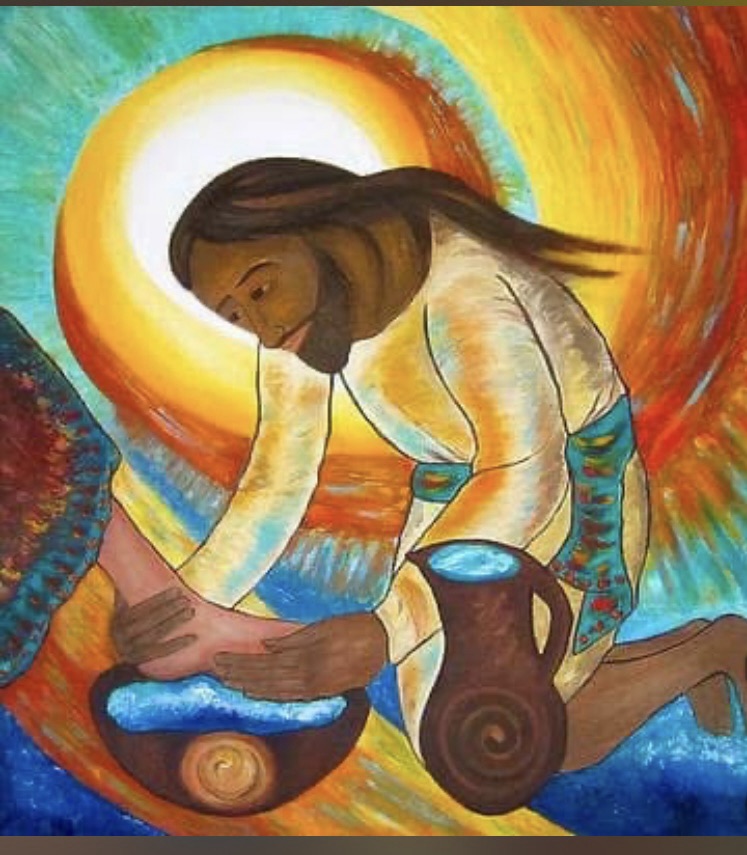
Maundy Thursday gathers the disciples, including you, around a shared table where we all get our feet washed and we all share in dipping our bread in the same bowl as Jesus.

Then the sanctuary is stripped, like our souls now feel stripped, as we realize not only what is about to happen, but also that we must stay to bear witness.

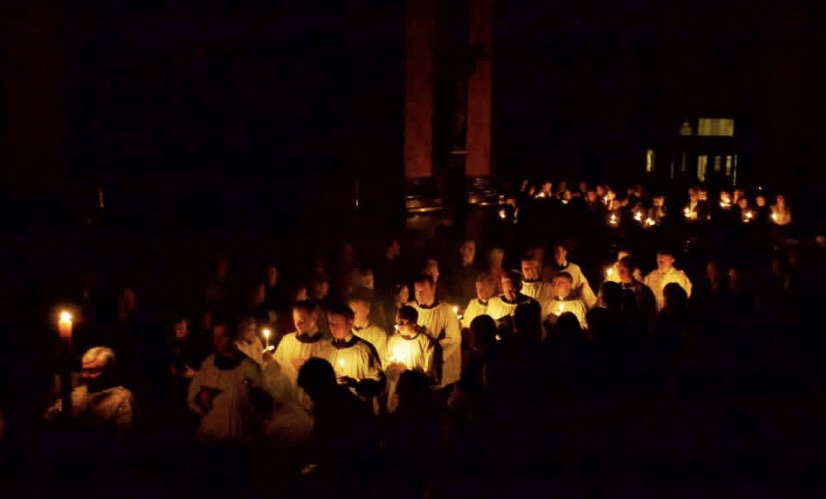
On Good Friday we come not to church, but, with everything bare and the lights low, to a darkened tomb. There we encounter the story of that fateful night, a story we know well not only because we’ve heard it every year, but also because we’ve lived it. It’s familiar.

We’ve all been betrayed by our friends, and have all betrayed a friend. We’ve all been falsely accused and accused others without evidence, let alone our unspoken shame knowing our justice system does this, and profits from it all the time.

We’ve all seen power prey on the powerless. This is that story, but instead of the local courtroom it’s the courtroom of the cosmos.

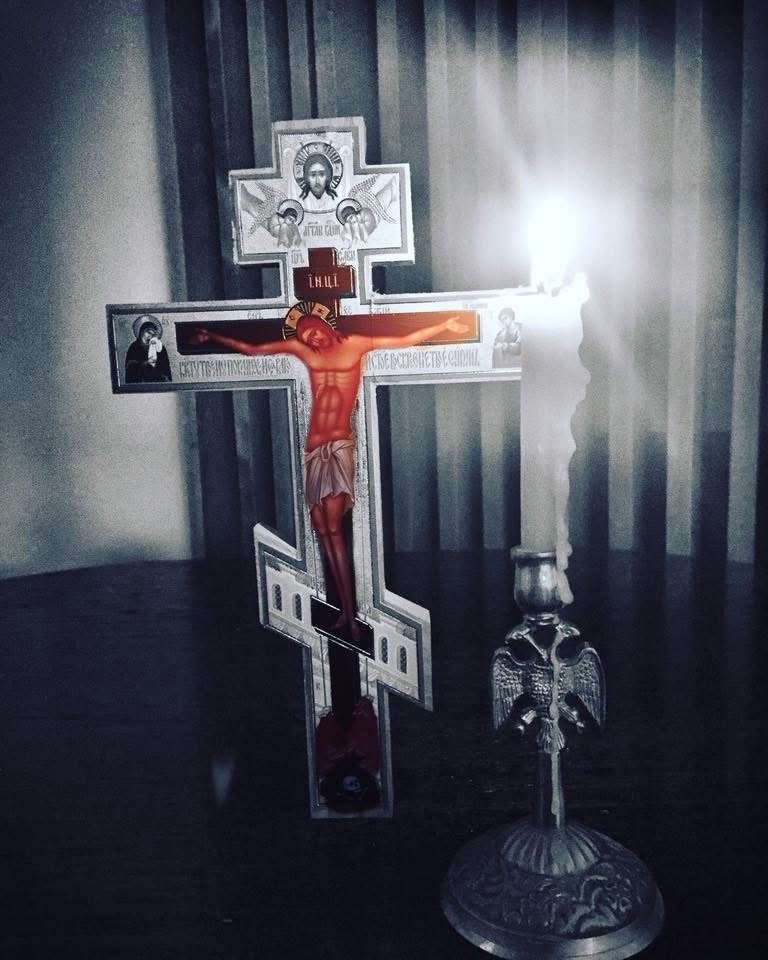
The reproaches are sung where we’re challenged to answer unanswerable questions of eternal proportions, and the service ends with the cross alone left in the room.

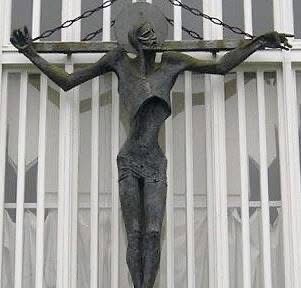
We are, in the end, left only with the cross: this twisted tool of torture to which we now cling, hoping that something good can yet come from it.

Sound familiar?

And then we spend the whole next day in the quiet of non-answers. And at dusk we stream back to that tomb, create a new fire to keep our souls warm, and tell campfire stories of salvation to console ourselves.

“Remember that time that God created the world?” we ask around the fire. “And remember when God saved those folks from the fiery furnace?” We retell these stories as a way to spark hope that, as in those impossible moments, God might be able to do something new with this impossible moment. We teach these stories to our babies, even as we reteach it to ourselves.

And then before we know it, the tomb has turned into a lush garden, and that tomb that was full of death is suddenly full of life: flowers, water, and yes, living bodies.

Our bodies.

Our bodies who now gather around the body of the risen Christ now seen in bread, wine, water, and the faces around us. And we baptize people who have newly heard all of this. And we sing and dance and party because, yup, resurrection has happened again, by God!

The whole arc has import. Every scene plays a part.

Easter is not a day, it’s a journey

For Maundy Thursday

A thought for Maundy Thursday:

It might be important for us to keep in mind, especially those (like me) with a propensity to hold on to the slights and wrongs others have done toward us and those we love, that Jesus didn’t skip over Judas when he was washing feet.

Failing to recall this has sometimes perpetuated the pain cycle.

And recalling this has saved me from hurting those who’ve hurt me more than a few times.

-painting by Sister Rebecca Shinas