On Your Shadow Side…

Groundhog’s Day confounds many people.

It’s on the surface a quaint little holiday that elevates the lowly rodent. But it’s not about the rodent. It’s really not.

Imagine that you’re an ancient person in the belly of winter, wondering when spring might emerge. In your pondering you’re looking at your stockpile of hay for your livestock and salted meats and preserved veggies for your families. You’re wondering how much you should expend, and how much you should reserve in these uncertain days.

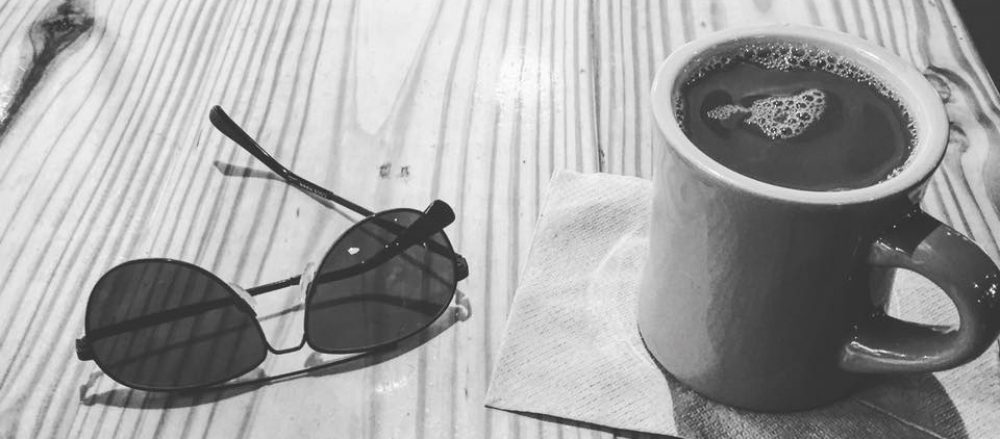
The groundhog, or any little animal, looking at their shadow may be an indicator for how you can survive and how much you can expend. Indeed, to take it a step deeper, your shadow, Beloved, that side of yourself that Jung encouraged us all to explore, lets you know how you can take the next steps in this world.

The ancient Celts named these days as Imbolc, “in the belly,” not only because they knew that winter was coming to an end but also because they knew that a time of introspection between the Yule days of celebration and these days of decision/indecision are necessary for living a full life.

It’s funny, almost ironic, that the day on which the groundhog emerges is so indicative on how the future is predictive in our mind’s eye. If it’s sunny and they see their shadow, winter continues. If it’s overcast and cloudy, winter will cease soon.

Think now of yourself: when things are “bright and sunny,” do you not wonder when the next shoe will drop and things will be bad again? And when you’re in trying times, do you not tell yourself “these days can’t last!”? It’s so…human. All of it.

These days are not just about a groundhog. They are about you, Beloved.

Deep down we all know these next few weeks aren’t decided by a rodent. But I wonder: how will you decide what to do next? How will you know what these days will bring?

How about this: no matter the weather, no matter the outward signs, our inward being can be geared toward love, acceptance, and a resilience that says, whatever may come, we’ve embraced our shadow and have decided to live.

On the Problems of Pietism

Today the church remembers a 17th Century Reformer that, honestly, I struggle a lot with remembering as anything more than a cautionary tale: Philipp Jakob Spener, Pietist and Religious Zealot.

Spener was born in the 1635 in Alsace, Germany during the Thirty Years’ War. He studied history and philosophy at Strassbourg, and on a traveling tour of Switzerland fell head over heels for influential Jesuit-turned-Reformer Jean de Labadie, a champion of inner conversion and pietism.

After serving as a pastor in Strassbourg for a season, Spener when to Frankfort, the war-weary town torn by schisms and began “piety groups,” kind of like house churches that were devotional in nature and met first in his house, and then multiplied. He also published is Pia Desideria (Devout Desires) which was, and should be, required reading for all seminarians. Within that seminal text he proposed six reforms for the blooming Reformation movement, and revitalized a catechetical movement for adults and children within the parish.

One of the positives that Spener brought to the Reformation movement was a reminder that the laity were to be involved in all levels of the church. One of the negatives was, well, he was such a strict pietist (and frankly, kind of a jerk by most accounts) that his “my way or the highway” abrasiveness caused him to have both stalwart adherents as well as “never Spener” folks. He just couldn’t get along with people which, it seems, most zealots struggle with no matter what their cause.

This all being said his writing and preaching influenced many (and continues to), setting the foundations for learning institutes and missionary causes throughout the world. Ironically his preaching style was less polemical in nature, and he focused greatly on inner conversion. This, though, led to a great imbalance in his Christian practice, where he preached one thing, but his draconian ideas around morality and ethics produced another action contrary to what was said from the pulpit: The opera was off limits, as was anything other than very conservative dress, and don’t even think about dancing. Card playing was certainly out, drinking alcohol was out, the sacraments took second place to “giving your heart to Jesus,” and the unconverted were bound to burn.

I’m sure no one can identify with that experience…

Spener died on this day in 1705.

St. Spener is a reminder for me, and should be for the whole church, that too much of anything can become a stumbling block…

-historical bits gleaned from Pfatteicher’s New Book of Festivals & Commemorations and from too much schooling

-illustration/icon by Ingo Römling