
An Honest Story About My Life

Let me tell you a story that happened last week.
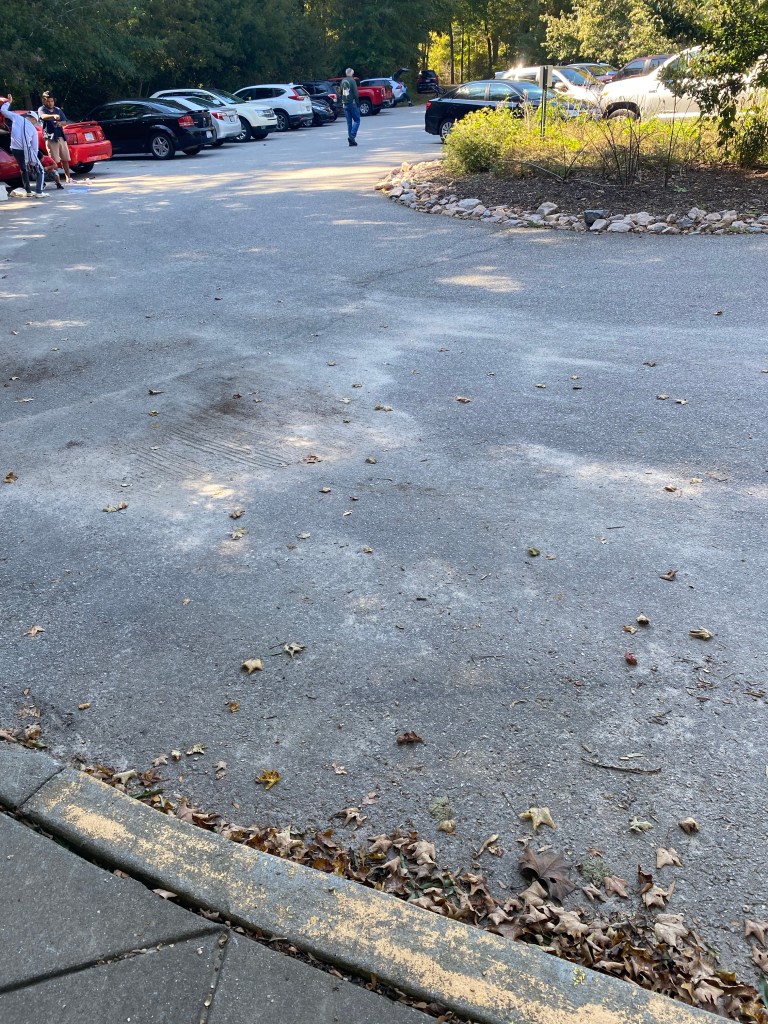
I drove into a Falls River Greenway parking lot. I had 15 miles before me.

In the parking lot was an older white male, standing in the middle of the drive with a gun and holster on his belt, a “patriotic” shirt tightly tucked in.

No badge. No way to tell if they were an officer of some sort.

Because open carry is legal here in NC, I was unsure of what to do, if anything. To add to the concern, a group of young Latinx men were loading up their fishing gear into a nearby truck, and the man was pacing directly in front of them.

I was worried for them. I was worried in general.

Had my boys been with me, we would have left.

I texted Rhonda, just so she would know what was going on if something happened.

Open carry laws cause confusion.

How can we tell if someone is about to shoot up a greenway, or is just “exercising their supposed right to carry a weapon of mass murder?”

I stuck around for a bit, stretched, tied my shoes. The men in the truck left, and though the armed man kept standing there, I went on for 15 miles.

Should I have called the police? Perhaps. Perhaps not. I don’t know.

But a few things now:

-if I see someone carrying a gun, I’m calling the police. Even if it’s “legal,” I think we’re past the point where we can take the chance.

-white men are still the most dangerous gun owners. I get a lot of pushback when I say that, but the statistics, facts, bear it out as true.

-despite all this, I refuse to own a handgun. Even for “protection.” The presence of a gun statistically makes a situation less safe, not safer.
Mixed Messages

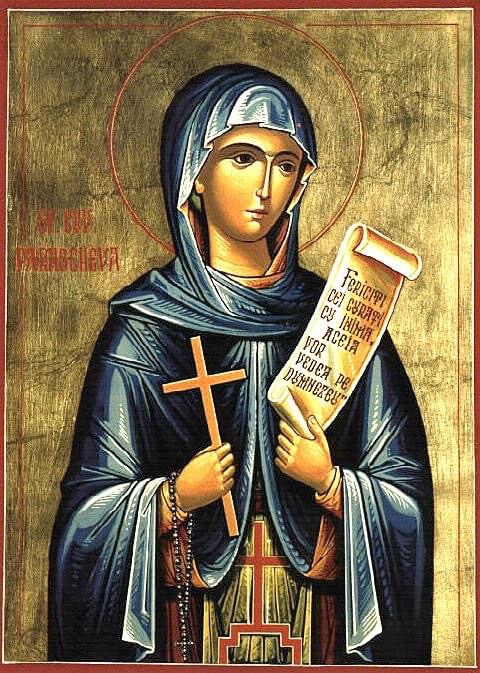
Today the church remembers a saint from Turkey who is most revered in the Balkans who, when her parents tried to prevent her generosity, balked at them: Saint Paraskeva the New, Activist and Traveler.

Paraskeva (whose name literally means “Friday,”) was born in nobility not far from Constantinople (or is it Istanbul?). Her wealthy parents looked askew at this pious young woman who, even as a child, had a habit of just giving her things away.

Yeah, that’s right: she literally just gave her family’s possessions to the poor, from about the age of ten.

Her parents were not pleased with this, and perhaps rightfully so. But instead of engaging her in conversation and constructive learning, they essentially forbade her from going out anymore, confining her to the home.

The profession of her parent’s faith, as they were Christian, and their displeasure at her generosity caused conflict within the young woman. How could they have taught her the words of the Gospel, even Jesus’ own instruction to “give up everything,” and yet be really angry when she followed those very words they gave her?

In fact, I’d offer up that this situation is happening right now in many homes! Children brought to church are confused when they hear Jesus say “love your neighbor,” and their parents rail against undocumented immigrants or LGBTQIA+ protections. They wonder how Jesus can heal any who came to him, and yet expanding affordable healthcare is somehow “socialism.”

The struggle is real.

Saint Paraskeva left her home and decided to live on the streets, existing off of the hospitality of strangers. She traveled from city to city visiting holy shrines and sites, praying and fasting as she went, welcoming the poor as her sibling on the journey. She eventually set up a hermitage near the Black Sea, living as a desert monastic. On this day she died at the far-too-young age of 27 in the year 1027 CE.

Saint Paraskeva is a reminder for me, and should be for the whole church, that we cause confusion in people when we hear the words of Jesus say one thing, but live our civil lives doing the opposite.

Let those with ears to hear, hear.

-historical bits from public sources and Illes, Daily Magic.