In early August my ancient Celtic ancestors would celebrate the third great festival of the year, Lughnasadh, or “the assembly of Lugh,” the Celtic sun god.
August 1st marks the beginning of Autumn for the Celts, and so this was essentially a festival to give thanks for the harvest that will be collected over the coming months.
Yes, it was giving thanks for something that hadn’t happened yet…sometimes you have to bank on hope, right?
This festival became Christianized in the Middle Ages, commonly called “Feast of First Fruits.”
In these days the ancient Celts would ween the new lambs so that the parents would mate again, giving more lambs in the Spring. They’d begin harvesting, especially the now ripe gooseberries and billberries.
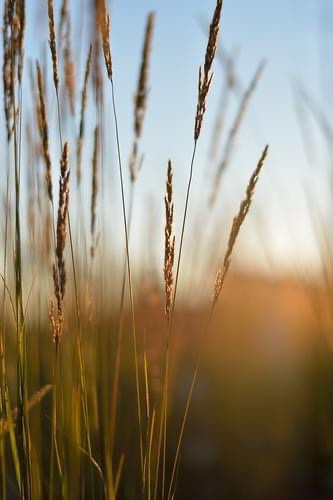
They’d also make something called a Lammas Loaf (a derivation off of the festival name), a loaf of bread baked and shared off of the first wheat harvested from the fields. They’d often make the bread into different shapes, like wheat stalks, owls, or “John Barleycorn” shapes (sometimes known as The Wicker Man), a legendary figure that often stands for the harvest god/sun god.
Since Lughnasadh falls directly opposite of Imbolc on the Celtic wheel, and Imbolc (“in the womb”) was seen as primarily feminine, Lughnasadh was seen as a very masculine festival, with games and outdoor competitions, kind of like a precursor to our State Fairs here in the United States, with rides and feats of strength.
At its heart, Lughnasadh is a reminder that everything dies and is reborn. “Unless a grain of wheat dies,” the Christ says, “it remains a single grain…”
So we give thanks in the right season, banking on hope.
 Reluctant Xtian
Great post! Hope you had a nice lammas!